KLIMAAKSJON / NORWEGIAN WRITERS´ CLIMATE CAMPAIGN // NWCC
Klimaaksjonen består av forfattere, kunstnere, kritikere, oversettere og journalister. Vår målsetting er forankret i Grunnlovens §112: «Enhver har rett til et miljø som sikrer helsen, og til en natur der produksjonsevne og mangfold bevares. Naturens ressurser skal disponeres ut fra en langsiktig og allsidig betraktning som ivaretar denne rett også for etterslekten.» // Norwegian Writers´ Climate Campaign will actively participate in a much needed democratic process to act against the overheating of our planet as a crime against humanity.
how there was so much water. how things need water to survive. how to be human. Les mer «Cheena Marie Lo: Two poems from «A Series of Un/Natural/Disasters»»
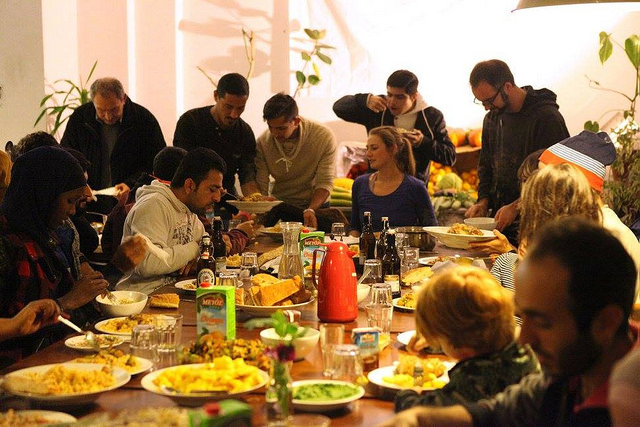 Table of plenty
 A part of the alternative education programme “Everything Under The Sun”, that merges the fields of food and art under the issues of climate change through an interdisciplinary, experimental approach. Curated by Ece Pazarbasi and Caique Tizzi in the Agora collective, Neuekölln, Berlin.
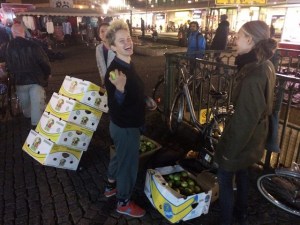
Kultivator led a module with 12 participants in this programme, choosing to focus on the refugee situation. From Kultivator’s perspective, the changes in everyday life due to the migration of people is one of the effects of climate change that so far has had the biggest impact on society as a whole, as well as on Kultivator’s home village and farm. This movement is big right now, but as climate change continuous, the amount of people having to re-locate themselves will only grow. With the 12 great participants of chefs, artists and activists from all over the world, the aim was to create an artistic response to the possibilities and challenges that this presents.
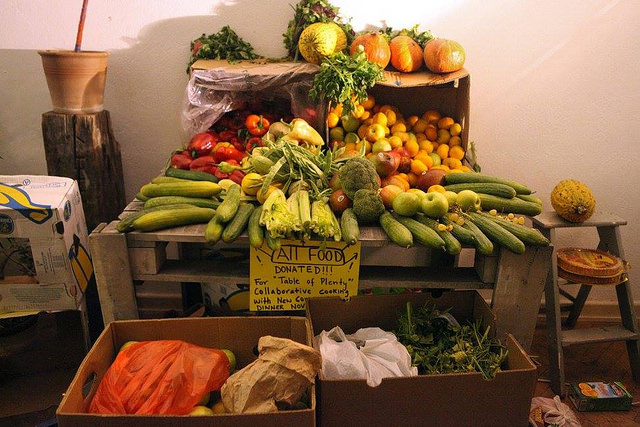
We were particularly interested in the changing cultures of food; like organisation of meals, economy, ownership, manual labor, social aspects and the mix of traditions and recipes.The north has since long benefitted from influences from all over the world in their kitchens. Berlins Neuekölln and Kreuzberg districts are evidence of a great wealth in food culture, from street food to restaurants, or as in Agora; cosmopolitan, artist-run cafes. In the many street markets there is an abundance of produce.
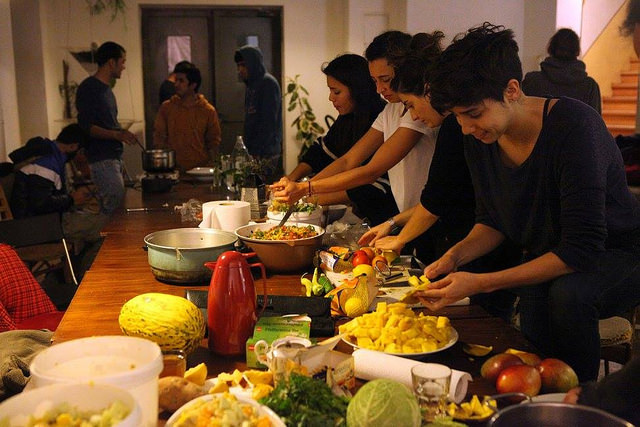
In the same areas people are living in refugee camps, at the moment extremely overpopulated, with no possibilities for people to prepare food or eat as they wish. With only one week to work with, we set out to cook something from these ingredients.
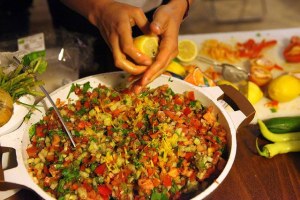
The “cooking” process started with visits to inspiring initiatives, activist groups and kitchens, and two different camps for asylum seekers. With the people we met, and in our group, we decided that we wanted to create a situation of sharing and discussion with people that are in the asylum seeking process, and together with them create something that could serve as a template for future community events at Agora cafe.
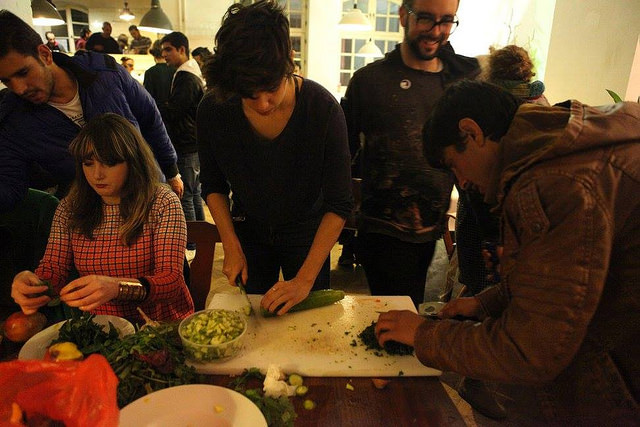
As we discussed the project with local street vendors, an overwhelming lot were more than willing to join by donating bread, vegetables, fruit and other produce nearly out of date. In one evening’s gathering, we collected more than enough material for a huge dinner. We could invite the people we had met in the refugee camps, Tempelhof (at the time housing a thousand people) and Berlin Stadtbadhaus (around 300) to share the kitchen and social space of Agora with us for one evening.
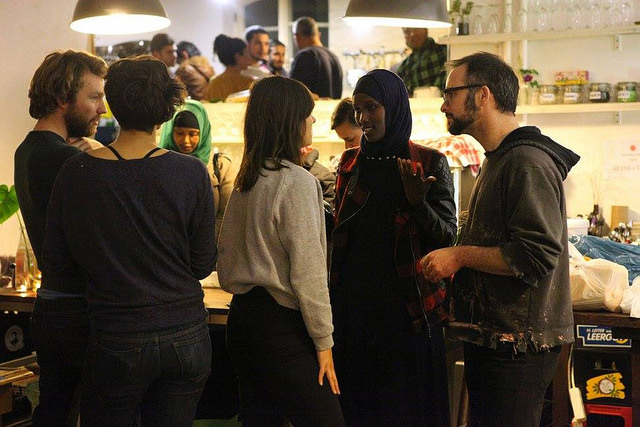
The event was named “Table of plenty”, referring to both the overfull table of food material, and the chefs and guests from many backgrounds. The evening went over all expectations.
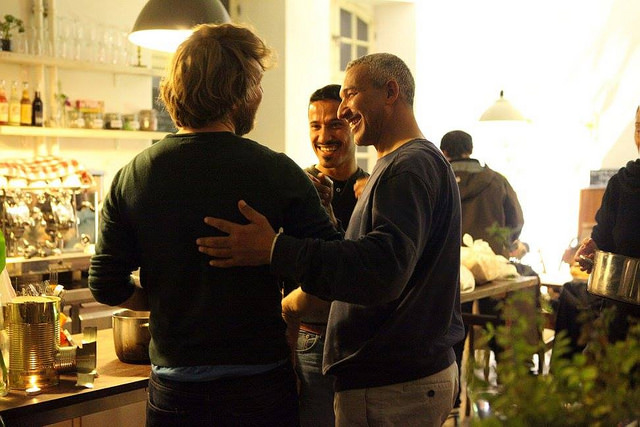
The connections made between people locally in Neuekölln, and the map of where to find food and the new experiences and knowledge sharing of kitchen skills, could be one small step in preparation for a world that is changing, not only for the worse.
Kultivator was founded in 2005 by visual artists Mathieu Vrijman and Malin Lindmark Vrijman and farmer Maria Lindmark and Henric Stigborn. Since 2007 the visual artist Marlene Lindmark is also a member. Kultivator initiates and implements projects, exhibitions, public commissions and workshops with members and/or invited groups and the public. Kultivator’s collaborative practice is based on an open and creative process, and the content is characterized by an interest in sustainability, democracy and learning. Kultivator is based on Öland in Sweden where they have an exhibition hall, a guest studio and an organic dairy farm with 30 cows, chickens, ducks, sheep and horses.
Since its inception in 2005, around 80 artists, scientists, students and farmers have visited and worked with Kultivator on Öland. Besides self-initiated projects, Malin, Mathieu and Marlene also regularly work with art, new media and facilitation at Öland Folkhögskola.
More information: www.kultivator.org
Text: Kultivator
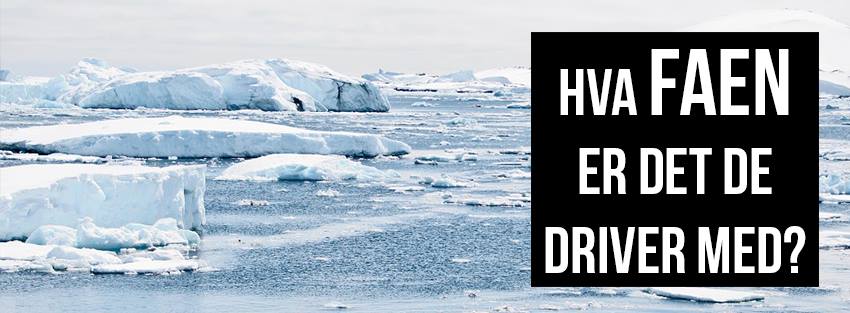
Oljeminister Tord Lien har åpnet for oljeboring i våre mest sårbare og verdifulle havområder i Arktis. Regjeringa viser fingeren til dagens unge og fremtidige generasjoner og bryter med grunnloven dagen etter 17. mai. Skal vi løse klimakrisa, må olja ligge!
Frustrert som oss? Kom på Storaksjon mot oljeboring i Arktis! fredag 20. mai kl. 10.
Les mer her: http://nu.no/…/kroken-pa-dora-for-norsk-miljotroverdighet-a…
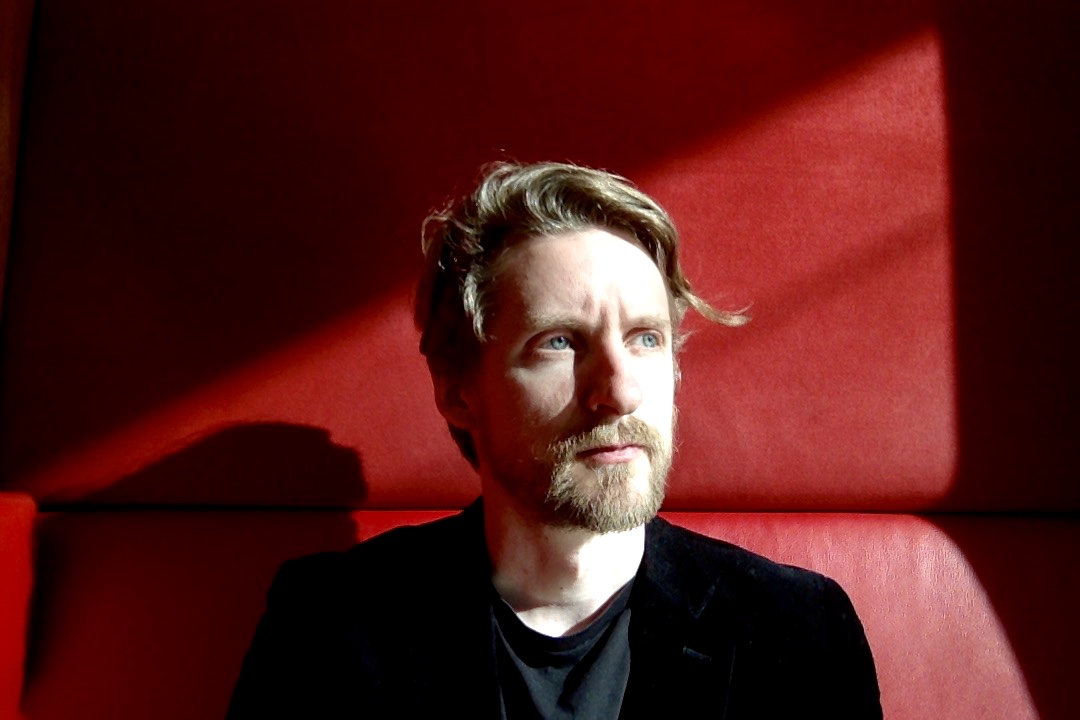
Av Espen D. Stabell
Da George W. Bush i 2003 skulle forsvare invasjonen i Irak, benyttet han noe som kunne ligne et føre-var-prinsipp. Han argumenterte med at å handle – det vil si å gå til krig – var nødvendig i møte med usikkerheten rundt Saddam Husseins vilje og evne til å bruke atomvåpen: «If we wait for the threats to fully matarialize, we will have waited too long».
Den amerikanske juristen og politiske tenkeren Cass R. Sunstein hevder i sin bok The laws of fear. Beyond the precautionary principle (2005) at denne måten å tenke på er den samme som miljøaktivister benytter seg av i klimasaken. De som kjemper mot global oppvarming, argumenterer med at handling (utslippsreduksjon og andre reguleringer), heller enn ikke-handling (til fordel for «status quo»), er den riktige fremgangsmåten i tvilstilfeller – slik Bush-administrasjonen argumenterte for at terrortrusselens «unknown unknowns» (Donald Rumsfeld) krevde tiltak for å foregripe de ukjente truslenes eventuelle «materialisering».
Dersom føre-var-prinsippet kan brukes til å argumentere for militær intervensjon på så tynt grunnlag som det ble gjort i Irak-krigen, synes Sunstein og andre kritikere å ha rett når de mener prinsippet bør kastes på dynga.
Men står det virkelig så dårlig til med prinsippet? Jeg mener det finnes gode grunner til å si at det ikke gjør det. For å se hvorfor, la oss først se nærmere på hva prinsippet egentlig sier, og hva kritikken går ut på mer spesifikt.
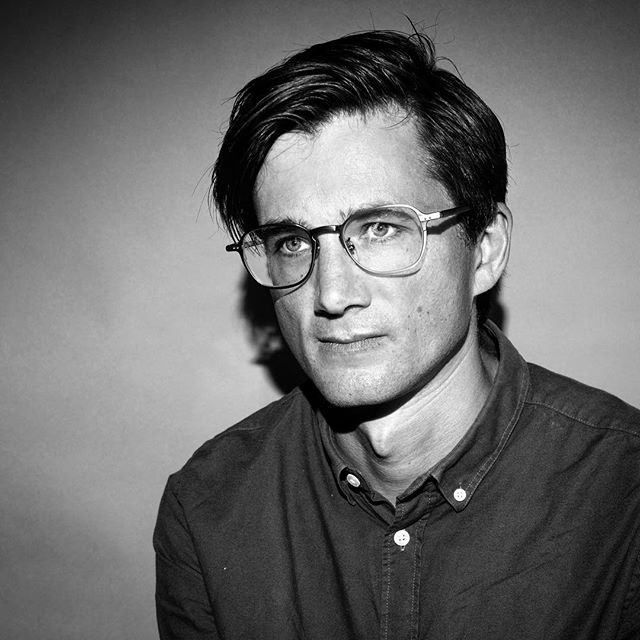
Foto: Ida Wang
Hvilket ord mon bedst beskriver
havørnens svæv? Majestætisk,
falder mig først ind, det er det
man siger, men der er noget
ynkeligt, utidssvarende,
over en majestæt, som en
klovn der ikke kan tage sit
kostume af, og havørne Les mer «Rasmus Nikolajsen: SALTSTRAUMEN, 7. DECEMBER 2013»
Professor of Contemporary Slavery, University of Hull
It touches the food we eat and the air we breathe, the clothes we wear and possibly the device you’re using to read these words. But slavery today is a paradox. It is hidden away as never before, but its effects are everywhere. If slavery were a country it would have the population of Canada and the GDP of Kuwait, but its CO2 emissions would rank third globally after China and the US.
The latest measures of global slavery conservatively estimate there are about 36m slaves worldwide, spread across virtually all countries. The UN says slavery generates some US$150 billion annually. These numbers seem immense, but the number of slaves represents only a small amount of the global population. While US$150 billion is a tiny fraction of the global economy and is spread across several million local criminal enterprises.
/
Foto: Ida Wang
Hvilket ord mon bedst beskriver
havørnens svæv? Majestætisk,
falder mig først ind, det er det
man siger, men der er noget
ynkeligt, utidssvarende,
over en majestæt, som en
klovn der ikke kan tage sit
kostume af, og havørne
kan nok også være såvel
komiske som ynkelige,
fra hotelcaféen, hvor jeg
varmer mig med kaffe, kan jeg
ikke undgå at bemærke
at beboelseskvarter og
vejnet er skubbet helt tæt på
ørnens habitat, både
majestæt og ørn lever kun
i kraft af en fredningsordning,
kunne man sige, men se så
der: Havørn i svæv! Havørne
i svæv over Saltstraumen,
verdens stærkeste malstrøm, og
spidse sneklædte fjelde som
baggrund, i fløjlsblåt søvnlys, i
balance, swag, kommer jeg op
med, havørnen svæver swag, og
jeg kan ikke lade være
med at tænke på at verden
nok ville være smukkere
uden mennesker, der ville
blot ikke være nogen til
hele tiden at sige smukt.
/
Omslag: Paul Nicolas Oxby
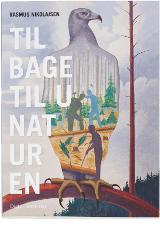
Vi takker Rasmus Nikolajsen og Samleren for tilltatelsen til å bringe diktet «Saltstraumen, 7. december 2013» fra Tilbage til unaturen (2016). Boken har mottatt strålende kritikker i Danmark og er utkommet i 2.opplag. Her på bjerget oppretter vi en liten forbindelse til et aktuelt fjernsynsdikt, NRKs 12-timer lange Saltstraumen.
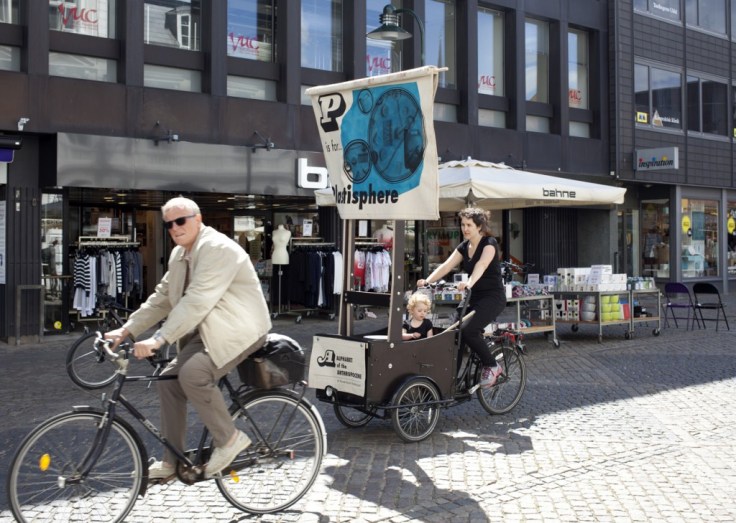
Brett Bloom is an artist, writer, and organizer living in Copenhagen. He is a member of the art group Temporary Services. Ecological and social justice issues feature in much of Bloom’s work. Recent efforts include his book: Petro-Subjectivity: De-Industrializing Our Sense of Self (Breakdown Break Down Press 2015). Bloom has organized intensive workshops and camps where people come together to practice and inhabit post-oil subjectivities in preparation for climate breakdown and collapse.
Here are some examples of his work:
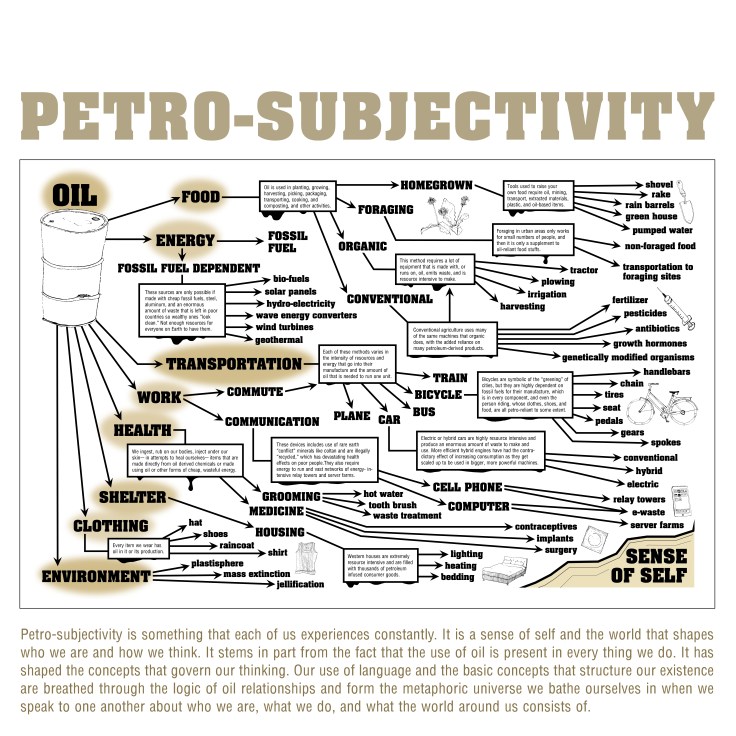
Petro-subjectivity is something that each of us experiences constantly. It is a sense of self and the world that shapes who we are and how we think. It stems in part from the fact that the use of oil is present in every thing we do. It has shaped the concepts that govern our thinking. Our use of language and the basic concepts that structure our existence are breathed through the logic of oil relationships and form the metaphoric universe we bathe ourselves in when we speak to one another about who we are, what we do and what the world around us consists of.
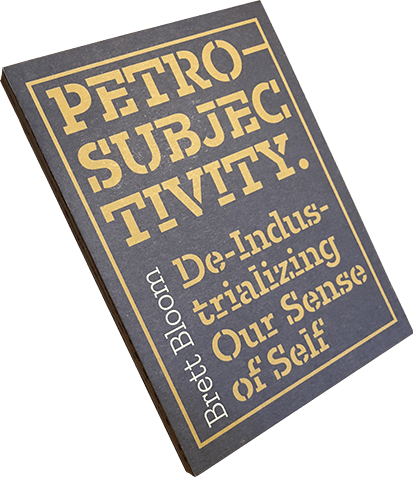
Link for further information related to this material: www.breakdownbreakdown.net
Also download this PDF to read more about the project.
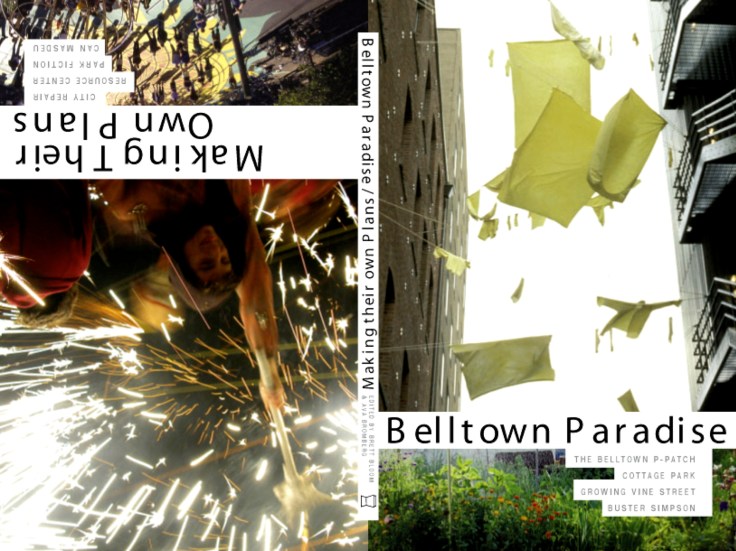
Urban communities have long tried to defend their neighborhoods from environmental and social blight. This book examines the diverse ways in which artists, environmental activists, and citizens work to revitalize their urban environments.
Belltown Paradise investigates grassroots renovation efforts in the Belltown neighborhood of Seattle, exploring the work of activists there, including their creation of the Belltown P-Patch community garden and conversion of three historic cottages into writers’ residences and a community center. The volume also features the first in-depth survey of artist Buster Simpson’s work in Belltown.
Making Their Own Plans examines preservation projects in Portland, Chicago, Hamburg, and Barcelona. From the Resource Center’s work in Chicago to develop 6,000 acres of vacant city land into farms to the transformation of an old hospital into a community center, the book offers fascinating accounts of independent urban activism around the world.
Belltown Paradise and Making Their Own Plans present inspiring chronicles of how concerned citizens affected community change, making these volumes invaluable for activists and policymakers.
For more information about the project download this PDF.
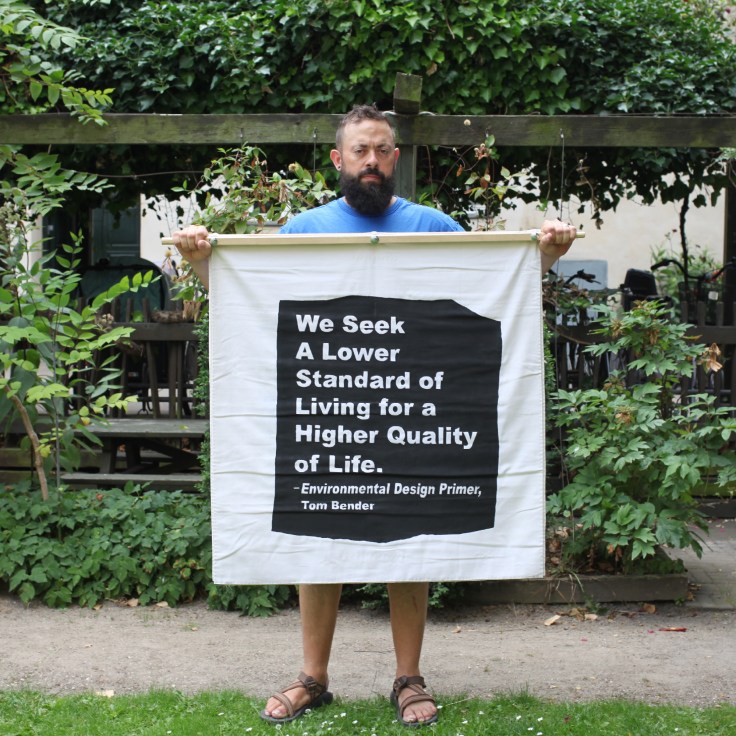
More info about this project HERE and HERE
Related web sites:
www.temporaryservices.org
www.halfletterpress.com
www.mythologicalquarter.net
www.letsremake.info
www.breakdownbreakdown.net
All text by Brett Bloom

 KLIMAAKSJON / NORWEGIAN WRITERS´ CLIMATE CAMPAIGN // NWCC