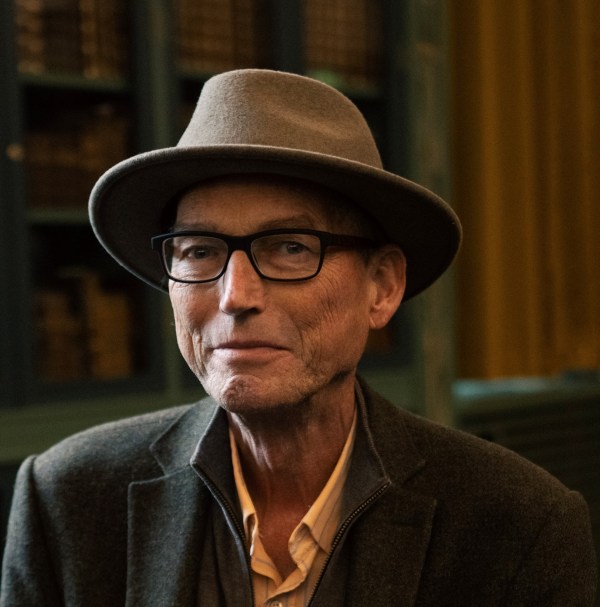
Fabrications yard / Ali Smith / Fabrikasjonsverft

/ Norsk oversettelse ved Merete Alfsen.

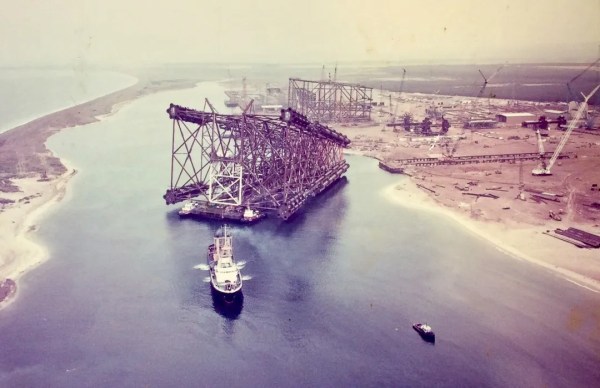
Write an essay about what it’s like to live in Inverness in 1975. The winning essay from your school will be placed in a time capsule and the time capsule will be sealed and then buried so that when people in the future dig it up and find it they will discover what it was like to live here in the past!  

My essay won. I was twelve or thirteen years old. I don’t remember who organised the time capsule and invited the schools to take part. I can’t remember how long the time capsule was supposed to be being buried for or where they said it’d be buried. I wonder if what I wrote back then is still somewhere underground; actually I wonder now if there ever really was a time capsule.   

It was quite a time. 

It was all about new money. It was all about new power. 

Les mer «Fabrications yard / Ali Smith / Fabrikasjonsverft»

Sonia Chocrón / Suite poetica / Diktsuite // Oversatt fra spansk av Signe Prøis

Caracas

Befalingen er å legge av sted snart

med øyestenene våre

med blomstene fastklemt i halsen

for ikke å skrike

Og ta vare på de hellige skriftene

og stedene som ligger i aske

de døde, parkene og kjæledyrene

til vi vender tilbake fra frykten

Les mer «Sonia Chocrón / Suite poetica / Diktsuite // Oversatt fra spansk av Signe Prøis»

A ‘Finite Nature Passing Through the Human Scream’ / Nikolaj Schultz

What does a blood-red sky today signify and how does it relate to a distorted human face, cramped together in fear, despair, and anguish? What sort of trouble is this human face caught up in, what is the reason behind his pain? What sort of connection to the world has left him with wrecked in exhaustion and anxiety, with no other possibility than resorting to the most intense and animalistic of all emotive actions – that of the scream[1]?   

Les mer «A ‘Finite Nature Passing Through the Human Scream’ / Nikolaj Schultz»

havet om natten er en hjertemuskel / ariel rosé / morze nocą jest mięśniem serca

MOŻLIWOŚĆ


Miej to za sobą w kolejnym mieście kolejnego
kraju, którego język znasz w połowie, to znaczy
do osiemdziesiątej ósmej strony biografii Gottfrieda
Benna, który widział głodne zwierzę wojny penetrujące
berlińskie ulice, po których chodziła Käthe Kollwitz
z domu do pracowni, z pracowni do domu, głaszcząc
kamień tak długo, aż zamienił się w ciało
jej zmarłego syna.

Les mer «havet om natten er en hjertemuskel / ariel rosé / morze nocą jest mięśniem serca»

Adania Shibli / Reading Philosophy in Palestine

The existence of what do you doubt most?

This is a question I pose before my students at Birzeit University in Palestine. Over the past few years, I have spent almost every summer in Palestine teaching a course on modern philosophy. Throughout this course, divisions between the philosophers we are reading and ourselves are steadily abandoned, as we turn to how each personal life is key to the instigation and development of thought. Ideas that arise from our lived experiences, our knowledges, our imaginations, and not least, from conversations between us inside and outside the classroom always lead us in unforeseen directions.

My question on doubt comes as we read Descartes’ The Meditations on First Philosophy, in response to his call in ‘First Meditation’ that we should doubt everything at least once in our lifetime. After some moments of silence the first answer emerges from the back of the classroom: ‘What I doubt most is the existence of good, and that we should act according to it. So far in my life, I have only witnessed those who are acting in an evil manner to be winning.’ Upon hearing that student, the rest of the students in the classroom crack out laughing. It is a laughter of relief, that someone finally dared to say what they feel, and subscribe to their own life experience and the world around them, rather than any moralistic principle they have been taught since childhood.

Les mer «Adania Shibli / Reading Philosophy in Palestine»

David Zimmerman / anteckningar under ett folkmord (24.10.02–24.11.27)

Les mer «David Zimmerman / anteckningar under ett folkmord (24.10.02–24.11.27)»

Inger Smærup Sørensen / Veien

Vejen snoede sig gennem landskabet, som en å, som en orm. Nogle gange i bløde, fine buer, andre gange med kraftigere, mere markante sving. Tilsyneladende uendeligt. Hjem efter hjem, landsby efter landsby. Vugge, vugge, vugge. Flere steder flød den sammen med andre vuggende veje, deltes midt i en slyngning eller blev koblet på større, nyere og mere lige veje i rette vinkler. Nok typisk hvis landsbyer var vokset, og der blev brug for noget andet end uendelighed, brug for mere end at kunne bevæge sig mellem endeløse landsbyer på en evigt bugtende vej. Sådan var det i hvert fald her. Landsbyen havde allerede for mange år siden fået en vej der førte op til en hovedvej og ad denne videre til stadig større byer. Man kunne tegne det. Med kuglepen. Med blå streger der hang sammen. 

Les mer «Inger Smærup Sørensen / Veien»

Michael Marder / The happening that is not happening: Unconscious resistances / Hendelsen som ikke hender: Motstandens ubevisste former

December 2022. It has been raining all night long in Algés, a town just to the west of Lisbon, Portugal. A gray morning dawns, and it seems to be an ordinary one. But something is not quite right. Although it is a weekday, everything is suspiciously quiet: no sounds of traffic, whether distant or far; no excited cacophony of teenage voices, of students hurrying to the nearby high school. Looking out the window, I no longer see the streets below. Instead, there are rivers with very fast currents, carrying cars as if they were feather-light paper boats. 

It is not “business as usual,” by any stretch of the imagination. A woman who had lived in a small basement apartment in the old center of Algés drowned at home when water rose all the way up to her bedroom’s ceiling in the course of the night, leaving her without the time and the chance to evacuate. Nearby stores lost their stock to the floods and the underground access to the train station was filled with five meters of water. 

Les mer «Michael Marder / The happening that is not happening: Unconscious resistances / Hendelsen som ikke hender: Motstandens ubevisste former»

Thomas Hylland Eriksen in memoriam

It is with deep sorrow we have received the news about the passing of Thomas Hylland Eriksen, a distinguished member of our Editorial Board and a professor of Social Anthropology at the University of Oslo. He was highly esteemed within many academic fields of knowledge all over the world, his books translated into many languages, and he was one of the most influential intellectuals in Norway during the span of at least three decades.

Les mer «Thomas Hylland Eriksen in memoriam»

Armenske dikt / Tatev Chakhian og Anush Kocharyan / Norsk/ English/ հայերեն

Anush Kocharyan

Vilt gress for min tunge 

(et halvt år etter skytingen)

når jeg kommer nær meg selv og fred eksisterer,

vil jeg kanskje fortelle om deg 

eller om nettene som ble til tomme kuler,

de som jager livet med en mislykket død.

Les mer «Armenske dikt / Tatev Chakhian og Anush Kocharyan / Norsk/ English/ հայերեն»

Vi må ikke give op / Carsten Jensen

Jeg er i Trondheim i Norge og skal tale til en flok unge om klimakrisen. Du må ikke nævne de såkaldte tipping points, siger en venlig person til mig. “Så bliver de traumatiserede.”

Tipping points hedder på norsk “vendepunkter” og betegner de uoprettelige forandringer i klimaet, hvor alt bliver for sent. Det kan være den totale nedsmeltning af den grønlandske indlandsis eller det vestlige Antarktis, der vil medføre kolossale havstigninger. Det kan være de atlantiske havstrømme, der vender, og som vil medføre, at Nordeuropa bliver nedsænket i en utålelig kulde, mens troperne overophedes. Det kan være permafrosten, der smelter og udløser enorme mængder af metangas med helt uoverskuelige konsekvenser for atmosfærens indhold af CO2.

Les mer «Vi må ikke give op / Carsten Jensen»

Røyken fra krematoriene / Arne Johan Vetlesen

For noen år siden leste jeg i en tysk avis at de som bor nærme atomkraftverk er mindre bekymret for ulykker der enn folk som bor lenger unna. Jeg kom til å tenke på Claude Lanzmanns film Shoah (1985), om jødeutryddelsen, der han snakker med de som var de nærmeste naboene til konsentrasjonsleiren Treblinka i Polen. I over to år ankom de endeløse togene med kuvogner fulle av mennesker som skulle gasses i hjel. Røyken fra krematoriet var godt synlig mot himmelen, og stanken var forferdelig, især på varme sommerdager. Best å holde seg innendørs, hvis mulig.

Les mer «Røyken fra krematoriene / Arne Johan Vetlesen»

Understanding Our Crises: A Call for Collective Reflection

What is happening to us and our precious world? This is the open-ended, but urgent question that many have been asking themselves in 2024, a year of multiple crises, ranging from extinction and climate disasters to continued poverty, inequality, and brutal wars.

In the face of these predicaments we urge all authors to write about people, because people are always thinking and talking about people, and if we still believe in democracy, in the age of mass communication, only people can help us out of the current impasse? Strong community belonging separating “us” from “them” remains a fact and an obstacle, as demonstrated in the US elections of 2024.  Can humans in the next decade be intertwined in this historic aim of coming together? Through kindness? Revolution? Or will a yet-unknown form of solidarity provide a new basis for democracy? 

Les mer «Understanding Our Crises: A Call for Collective Reflection»

The 2024 Holberg Conversation: Achille Mbembe

Achille Mbembe received the 2024 Holberg Prize for his groundbreaking research in African history and politics, and related fields. Mbembe is research professor of history and politics at Wits Institute for Social and Economic Research, University of Witwatersrand.

Interviewer: Kari Jegerstedt, associate professor of gender studies in the humanities and Head of the Centre for Women’s and Gender Research, University of Bergen.

Simone Kotva / Antropocen åndelighet

Begrepet antropocen sammenlignes iblant med en ny kopernikansk revolusjon. Kopernikus var en vitenskapsmann fra renessansen som formulerte en teori om at jorden kretser rundt solen. Dermed gikk han imot den rådende oppfatningen om at jorden – og dermed menneskene – befant seg i sentrum av universet. Om den første kopernikanske revolusjonen lot menneskene forstå at verden ikke kretser rundt dem, har antropocen minnet oss på at vi har et ansvar for det livet som finnes på planeten. Med antropocen er mennesket plassert i sentrum, på godt og vondt, og i denne sammenhengen har det blitt vekket en ny interesse for et åndelig, religiøst og særlig kristent menneskesyn.[i] Ikke fordi vi fortsatt følger befalingen fra Første Mosebok om å legge jorden under oss, men snarere på grunn av den bredere kristne tradisjonens åndelige levesett. Denne interessen gjelder ikke bare blant teologer, men også filosofer og kulturteoretikere. I en interessant del av antropocen-debatten, har kulturteoretikere og journalister tatt utgangspunkt i nylesninger av blant annet ørkenfedrene og tidlig kristen mystikk, og et viktig stikkord er nedvekst.

Les mer «Simone Kotva / Antropocen åndelighet»

Shocks, shadows and reconciliation / Naomi Klein & Anders Dunker / Sjokk, skygger og forsoning

Photo: Sebastian Nevols

Klein first gained widespread acclaim with No Logo – Taking Aim at the Brand Bullies (1999), a powerful critique of the fashion industry, the neo-colonialism of global corporations and the all-pervasive ideology of branding. 

Her subsequent work, The Shock Doctrine: The Rise of Disaster Capitalism (2007) explores how neoliberal ideologies exploit crises—both local and global—to advance agendas that prioritize profit over people. In particular, she explores how neoliberalism has expanded by exploiting vulnerable populations rattled by chaotic events. Klein is currently professor in Climate Justice at the University of British Columbia.

Klein has played a pivotal role in shaping the climate justice movement through her influential books, including This Changes Everything – Capitalism vs. the Climate (2014) and On Fire: The (Burning) Case for a Green New Deal (2019). She argues that climate policies must be intrinsically linked to social equity, emphasizing the need for grassroots activism, international solidarity, and resistance to the dominance of free-market ideologies, capitalist extractionism. She also offers insights on the cultural logic of conservative climate denial as well as new forms of eco-fascism. 

In her latest book, Doppelganger – A Trip into the Mirror World (2023), Klein examines our current moment, grappling with the aftershocks of the COVID-19 pandemic and the rise of far-right politics. Through a complex first-person narrative, she unpacks how social media, conspiracy culture, and alternative health movements create distractions – which together with legitimate concerns over geopolitics and regional conflicts like the one in Palestine tend to overshadow urgent environmental issues. 

Les mer «Shocks, shadows and reconciliation / Naomi Klein & Anders Dunker / Sjokk, skygger og forsoning»

Blogg på WordPress.com.

opp ↑