
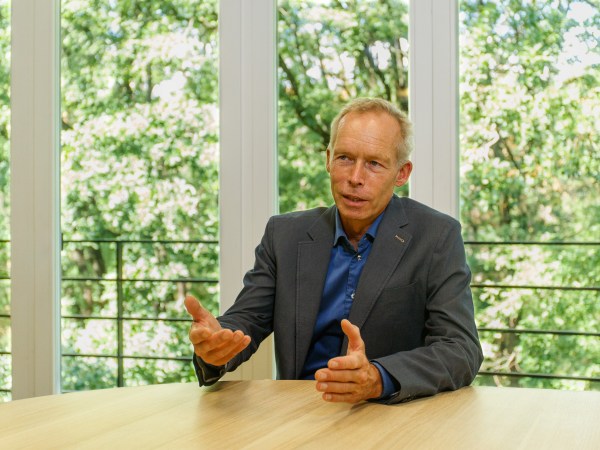
Johan Rockström is the leading scientist behind the Planetary Boundaries framework, which has had an extraordinary impact on policies and international debates, and which forms an integral part of curriculums for professional climate- and environmental courses in schools and universities around the world. He is Professor in Earth System science at the University of Potsdam, director of the Potsdam Institute for Climate Impact Research, co-founder of the Stockholm Resilience Center and chief scientist at Conservation International. Rockström’s research was also the topic of a 2022 Netflix documentary called Breaking Boundaries, based on his book with the same title, coauthored with Owen Gaffney. Among Rockström’s many collaborations, an important milestone is the new assessment of the Club of Rome Earth for All, published in 2022, co-authored with Sandrine Dixon-Declève, Jørgen Randers, Per-Espen Stoknes and others. He serves as one of the chief scientific advisers to the UN, and among the numerous initiatives he is involved in are Planetary Health, Planetary Science Advisary board of COP 30 and Global Commons Alliance.
Les mer «Johan Rockström & Anders Dunker / The invaluable safe zone»Johan Rockström & Anders Dunker / The invaluable safe zone

 KLIMAAKSJON / NORWEGIAN WRITERS´ CLIMATE CAMPAIGN // NWCC