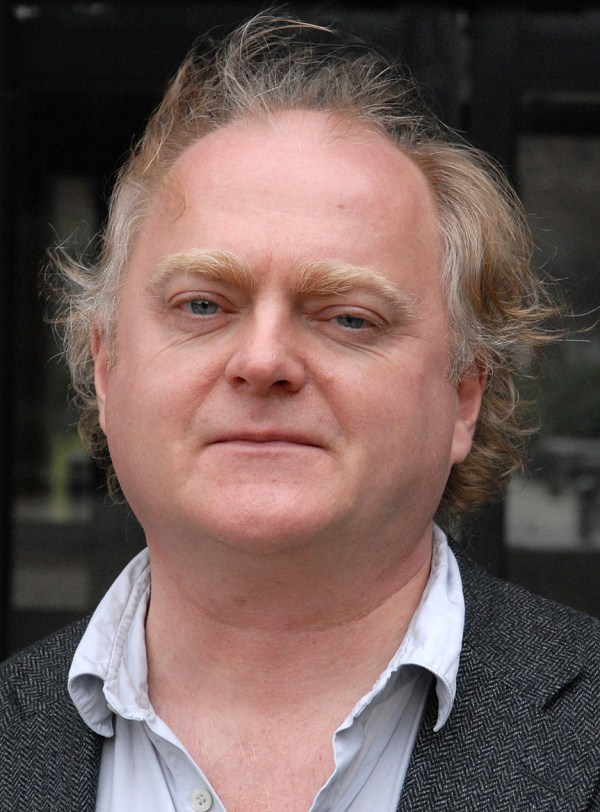
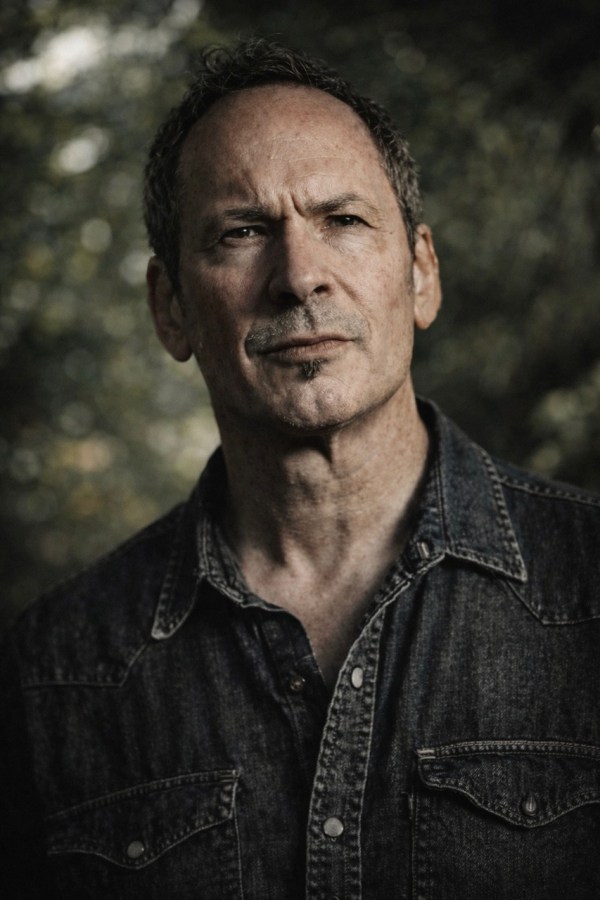
Ecological Poetics as Rewilding / Forrest Gander

“A poem, even excavated from its context and the time
of its writing, is a curiously renewable form of energy.”

Proponents of contemporary ecological poetry, sometimes called ecopoetics, often begin from a dissatisfaction with representation. To describe the world as an object “out there,” even with sympathy or care, tends to re-inscribe the very separation that ecological thinking seeks to undo. The challenge, then, isn’t simply to write about ravelment, but to let ravelment take place in the writing itself. Form becomes more than a vessel for content; it becomes an event in which human subjectivity and world co-emerge. Syntax, structure, and the visual field of the page can perform philosophical work, staging relations rather than explaining them.»

HERE YOU CAN READ THE ESSAY IN EXTENSO.

Les mer «Ecological Poetics as Rewilding / Forrest Gander»
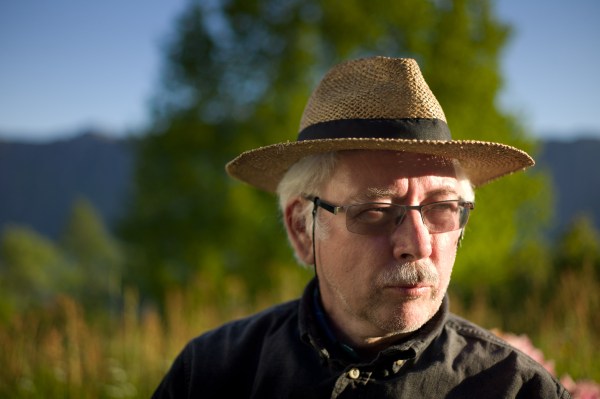
Mot kaos / Kjartan Hatløy

Utvalde dagar pyntar eg Sogn med livet i Egypt

dei, som eg, seier «sjel», vi finn ikkje betre ord

vi har ikkje rundt oss objekt eller dyr, men «verande»

såleis er Nilen eit verande, Åfjord det same

og ei kjelde melder:

Les mer «Mot kaos / Kjartan Hatløy»

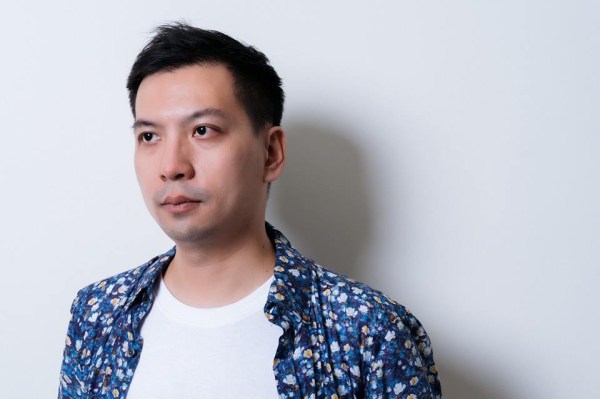
Enkaryon Ang / The Accumulation of Black

The first thing I recall about pollution on the North Coast is not statistics, but a smell—a mixture of salt, decaying seaweed, and synthetic substances fermenting in the sun. It’s the kind of smell that clings to the deep recesses of your nostrils, like some unmetabolizable memory. Sometimes I think about the texture of it too—the way oil slicks shimmer with rainbow colors in tidal pools, deceptively beautiful, like a bruise. The way black tar sticks to the soles of your shoes, and you carry it home without meaning to, tracking it across clean floors.

In February 1977, a Kuwaiti oil tanker went down in the waters off northern Taiwan. I never witnessed that disaster firsthand, but its legacy persists. Those black things—heavy oil, lubricants, paint flaking from ship hulls—they’re like a curse that replays itself every few years. 2008, 2016, similar shipwrecks recurring again and again, different names, same script. Each time a hull splits, the leaked black liquid transforms the intertidal zone into an enormous specimen jar, fish and shrimp and crabs and shellfish encased layer by layer, like some absurd art installation.

Les mer «Enkaryon Ang / The Accumulation of Black»

Sylkvasse sting / Knut Stene-Johansen

I samiske Britta Marakatt-Labbas verk uttrykkes en blanding av protest, opprør, narrativ glede, samisk historie og feminisme i en estetisk-politisk motstand som bruker broderi, ett av de mest presise og strenge kunstuttrykk som finnes. Hun arbeider også med akvarell, tegning, litografi og installasjoner. Men det er broderi som er hennes kjennemerke. Sannelig får ikke også brev og brevskriving her en spesiell birolle, som vi skal se. Som kvinne tilhørende en minoritet og et urfolksamfunn har nok anerkjennelsen sittet ganske langt inne. Men siden hun begynte som kunstner på 1970-tallet, har hennes anseelse stadig økt. Etter at hun deltok på Documenta 14 i Kassel i 2017 og Veneziabiennalen i 2022, har den internasjonale berømmelsen også skapt ytterligere oppmerksomhet lokalt. Den svenske kuratoren, forfatteren og pedagogen Maria Lind bemerker at det å måtte få bekreftelse ute for å oppnå suksess hjemme er et tydelig tegn på provinsialisme. Det kan nok stemme, men Marakatt-Labbas berømmelse er ikke desto mindre et viktig løft for samisk kunst, kanskje især for yngre kunstnere og for motstandsarbeid innenfor mange sektorer.

Les mer «Sylkvasse sting / Knut Stene-Johansen»

Blogg på WordPress.com.

opp ↑