Photo und Biografie/ poetryinternationalweb.org
Klimaaksjonen takker Arild Vange og Forlaget Oktober for tillatelsen til å benytte gjendiktningen av Thomas Klings dikt. Vennligst slå opp på neste side for å lese det på tysk og norsk.

KLIMAAKSJON / NORWEGIAN WRITERS´ CLIMATE CAMPAIGN // NWCC
Klimaaksjonen består av forfattere, kunstnere, kritikere, oversettere og journalister. Vår målsetting er forankret i Grunnlovens §112: «Enhver har rett til et miljø som sikrer helsen, og til en natur der produksjonsevne og mangfold bevares. Naturens ressurser skal disponeres ut fra en langsiktig og allsidig betraktning som ivaretar denne rett også for etterslekten.» // Norwegian Writers´ Climate Campaign will actively participate in a much needed democratic process to act against the overheating of our planet as a crime against humanity.

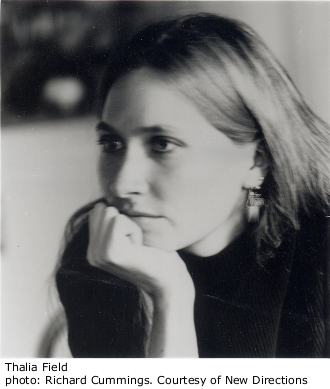
Photo und Biografie/ poetryinternationalweb.org
Skapingsmytane i Bibelen innførte eit tydeleg hierarki der menneska fekk fullmakt til å «råda over fiskane i havet og fuglane under himmelen og over alle dyr som det kryr av på jorda». (1. Mos. 1:28) Den vidare historia kjenner vi. Med Darwin kom tanken om at artar ikkje er fikserte, men noko som kan oppstå, og i forlenginga av det også døy ut. I den Pulitzerpris-vinnande boka Den sjette utryddelsen frå 2014 skriv Elizabeth Kolbert om korleis menneska gjennom nedhogging av tropisk regnskog, forsuring av verdshava og ved å endre den kjemiske samansettinga i atmosfæren no er i ferd med å forårsake ei masseutrydding av artar på jorda.

In his book Panpsychism in the West, David Skrbina writes:
“The mechanistic worldview is deeply embedded in our collective psyche. For several hundred years the dominant orthodoxy has implicitly assumed that inanimate things are fundamentally devoid of mental qualities. This view has become integrated into our science, our literature, and our arts. Ultimately it has incorporated itself into our deepest social values, and thus become reflected in our collective actions. We treat nature as an impersonal thing or collection of things, without spontaneity, without intrinsic value, without “rights” of any kind. Natural resources, plant and animal species have been exploited for maximal short-term human benefit. Such mindless entities are seen as deserving of no particular respect or moral consideration. They exist to be collected, manipulated, dissected, and remade.” (Skrbina 2005: 265)
In quoting this portrait of the mechanistic worldview, I am well aware that its presuppositions – say, in the form of the Cartesian mind/matter dualism – have been subject to massive criticism ever since its breakthrough in the sixteenth century. And yet, despite attempts within both philosophy and the natural sciences to show the notion of nature as “an impersonal thing or collection of facts” to be simply untrue to the facts, as a society we continue to exploit natural resources, plants, and animal species with impunity; far from bringing the exploitation of the natural world to a halt, we are busy speeding it up. By restricting the capacities for mind and soul, intelligence and reason, spontaneity and purpose to human beings, the mechanistic worldview has helped entrench anthropocentrism – literally, human-centeredness – in all key domains of modern Western society to this very day.

/ Photo: Megan Rothman
Another battle burns beyond the glen.
I hear their grunting, shield-glare, & dying.
Pray they don’t set the forest to crackle.
Pray for just a little while longer, here
By the sleek pool. Loop us together,
The water’s surface & me, smooth, rippling
Only for my breath. This Elysium,
This liquid plane, silent in my silence,

Av Line Madsen Simenstad / Foto: Copenhagen Business School
De siste tiårene har det pågått en stille revolusjon, som de færreste har fått med seg: stadig mer av pengene som er i omløp blir laget av private banker istedet for av sentralbanken. Dette høres kanskje ut som en teknisk detalj, men er i virkeligheten en utvikling som har dyptgripende konsekvenser for samfunnene våre. Negative konsekvenser, mener de som står bak en voksende bevegelse for å reformere hele pengesystemet. En av dem er Ole Bjerg, sosiolog og forsker ved Copenhagen Business School, og forfatter av flere bøker, blant annet Making Money – The Philosophy of Crisis Capitalism. Han mener en pengereform er nødvendig for å stanse ødeleggelsen av naturen. Hvordan henger alt dette sammen? Vi har intervjuet Bjerg om vekst, penger, natur og frykt.


 KLIMAAKSJON / NORWEGIAN WRITERS´ CLIMATE CAMPAIGN // NWCC