

Photo: Olga Zakrevska
You can read the Norwegian and English translations below:
Оригінали віршів українською — нижче на цій сторінці.
de små kommer til meg
små dyr og fugler kommer til meg
bronseøyde frosker streifer midt på veien
svaler flyr inn og setter seg stille på speilene
kommer til hender lar seg holde
betror meg deres hoppende, flygende hjerteslag
Frykten sitter dypt i små myke kropper
de kommer som om de har et budskap til meg
men de sier ingenting
ulærde språk av raseri språk av stål
språk som bare stikker og spiser
budbringere-hoppere løpere-drømmere de eksilte
fra himmel og busker. en stamme av navnløse rusavhengige
dør under hjulet og hælen
koliderer hodestups mot glassbyer
så snart de har kommet er de klare til å gå
sporene av deres poter og mager etterlater
svake, fuktige avtrykkene
av distinkte liv og distinkte verdener
komplekse og perfekte som systemer
av soler og planeter
spunnet sammen
på den frynsete tråden
i mitt flakkende blikk
tilfeldig
vindens gester
dødens gester
gester av gress og ild
hendene mine er for små
for å gi ly til sine små
stemmen min er for liten
alt jeg kan gjøre
er en for en
å si hver av navnene deres
vannreservoar
nå som landet mitt ikke lenger
er et land men en grop et sår et krater
dekk meg fullstendig herre
med dette store teppet av vann
gjemme seg trygt
under flomslettens gjørmete barriere
min sammenknyttede labb
min skjellete kropp
en bunke av manken min
halvmånen av min vinge
legg meg ned, herre, for å sove
i den myke silten blant
høye trær
erobret av vann
blant krøllete jernblader
og et rotete kratt av kropper
legg meg ned men i drømme jeg ber
trekk til side vannets tunge teppe litt
legg til side dets gjørmeskjold
tørk vekk de sildige dryppene fra den falmede bronsen
med din nette hånd
la flommens dør åpne seg
ubesluttsomt lys komme inn
la det stå mellom oss
på våre grønne enger
i våre røde bakker
i vår gråblå himmel
la den erobre med farger
dette svaiende undervannsmørket
denne natten
så dyp
så ugjennomsiktig
som døden
triptyk om det store vannet
- etter flommen
noah i en liten motorbåt
sirkulerer forvirret rundt
denne gangen blir det ikke begge to
bare denne våte kattungen
og denne hunden med halen mellom beina
og villsvinet som bare såvidt
kan holde den bustete snuten over vannet
det nytter ikke å hale den inn i båten.
hvis bare han hadde arken men den var ramponert
av artilleri fra den andre elvebredden
før han hadde avsluttet og nå
verken arken eller kysten
dette endeløse vannet og over det
hustakene og trærnes kroner
lik ryggen til de som ber
faller til jorden
med hendene høyt hevet
alle bønnene sildret gjennom håndflatene hans
og hvem kan gjøre noe annet
enn å strekke seg mot himmelen
med fingre rynket av vann
- fiskere
hva er Galileasjøen sammenlignet med
Khersonhavet
som her plutselig ble tørt land
Hvorfor skapte Gud oss til menneskefiskere
Hvorfor lot han mennesker svømme som fisk
og lot han fiskene dø på det tørre land
Fiskegarnene våre har blitt tunge, herre, men vi
vi skynder oss ikke med å dra dem opp fra sjøen, vi frykter
at fangsten vår allerede er for rik
vi sitter og lurer på hvordan vi skal snakke til deg, Herre
hvis munnen vår ikke er skikket til å lepje
havet av din stillhet
- en
så mye vann har blitt sendt ut her
at den som kan gå på det, kan gå til hvert eneste hus
kan gå rett fra den glitrende overflaten
på vinduskarmer og på takterrasser
han ville hjelpe de søvnløse menneskene med å samle
tingene sine i voksduk poser i rutete sekker
han hjalp bestemødre med å ta på seg gummistøvler og sette seg i båter
han hjalp barna med å lete i skuffene etter de fuktige skolebøkene sine
han klemte den lurvete hunden og ba ham lenge og vel
og hvisket noe helt ubibelsk i øret dens
enkelt som «hysj», enkelt som «ikke gråt»
enkelt som «en dag kommer vi alle hjem»
Takk til Ariel Rosé for gjendiktning og Den norske Forfatterforening for honorarstøtte!
//
the little ones come to me
the little ones come to me the birds and beasts
bronze-eyed frogs cross paths in the middle of the road
swallows fly in through the windows and sit quietly on mirrors
they allow themselves to be lifted and held
entrusting me with their leaping skipping little heartbeats
and the fears that sit deep in their small soft bodies
they come to me as though to deliver a message
and yet they never say a single thing
unversed in the language of rage and of steel
the language that does nothing but sting and strangle
these chasers and leapers, these runners and dreamers, these exiles
of heaven and bush. this tribe of the nameless
accustomed to dying under wheels or heels
or colliding head on with glass cities
as soon as they’ve arrived they are ready to leave
the marks of their paws and their stomachs remain
the faint damp imprints
of distinct lives and distinct worlds
complex and perfect like systems
of suns and planets strung together
on the frayed thread
of my skittish view
of the accidental
gestures of the wind
gestures of death
gestures of grass and of fire
and my hands are too small
to shelter all the little ones
and my voice is too small
all I can do
is one by one
say each of their names
reservoir
now that my land is no longer
land but a pit a wound a crater
cover me up entirely lord
with this great blanket of water
hide safe beneath
the murky visor of the water’s surface
my heavy paw
my scaly body
the sheaf of my mane
the scythe of my wing
lay me down lord to sleep
in the soft silt among
the tall trees
conquered by water
among the crumpled petals of iron
and the scattered twigs of bodies
lay me down but in my dreams I beg
draw back the water’s heavy curtain just a little
lay aside its muddy shield
wipe away the silty trickles from the faded bronze
with your deft hand
let the hesitant light enter
through the doors left ajar by the flood
let it stand among us
in our green meadows
on our red cliffs
in our grey-blue skies
let it conquer with colour
this quivering sunken gloom
this night
as deep
as opaque
as death
great water triptych
- after the flood
noah sailing in his little motorboat
looking around bewildered
this time there’ll be no two by two:
just this well-drenched cat
and this dog with his tail between his legs
as for that boar that can just about keep
his stubbly snout above the water
there is no way to haul him onto the boat
if only he had the ark – but it was battered
by artillery from the other bank
before he’d finished and now
there’s neither ark nor bank
just endless water and peeking above it
the roofs of buildings and the crowns of trees
like the backs of those praying
prostrate on the ground
and the upraised hands of those
whose prayers trickled through their fingers
and who can do nothing
but reach for the skies
with fingers wrinkled by water
- fishermen
what is the sea of galilea compared to
the sea of kherson
which the dry land here suddenly became
why lord did you make us fishers of men
why did you make people swim like fish
and let the fish die on dry land
our nets have become heavy oh lord but we
hesitate to pull them from the water we fear
that our catch is too plentiful
we sit and wonder how to speak to you lord
when our mouths are unable to sup
the sea of your silence
- one
so much water has been rolled out here that
the one who can walk on it could walk to every yard
and step from the glistening surface
onto the doorsteps of windowsills and the porches of roofs
he would help those tired people to gather their
things into bundles and plastic bags
he’d help grandmas put on gumboots and get into boats
he’d help kids look through drawers for their damp exercise books
he would hug the shaggy dog and carry him for a long time
whispering in his ear something entirely unbiblical
and simple like shh simple like don’t worry don’t cry
simple like one day we’ll all come home
Translated from Ukrainian by Uilleam Blacker
//
до мене приходять малі
до мене приходять малі звірі й птахи
перестрівають посеред дороги бронзовоокі жаби
влітають у вікна і мовчки сидять на дзеркалах ластівки
даються до рук дозволяють себе потримати
доручають мені своє стрибуче летюче серцебиття
страхи засілі глибоко в маленьких мʼяких тілах
приходять так наче мають для мене звістку
але так ніколи нічого й не кажуть
не навчені мови люті мови сталі
мови що тільки жалить і жере
гінці-стрибунці побігайці-сновидці вигнанці
небес і кущів. племʼя безіменних звиклих
мерти під колесом і пʼятою
битись об міста скляні лоби
приходять і майже одразу йдуть
лишають по собі сліди лапок животів
маленькі вологі відбитки
окремих життів окремих світів
складних і досконалих як системи
сонць і планет разками нанизаних
на переривчасту нитку
мого ковзкого погляду
на випадкові
жести вітру
жести смерті
жести трави і вогню
і руки мої замалі
аби їх малих прихистити
і голос мій замалий
тож як спроможуся
вимовити одне по одному
всі їхні імена
водо/сховище
тепер коли земля моя
вже не земля а яма рана вирва
найкрий мене справді господи
цією ковдрою великої води
сховай надійно
під каламутним заборолом плеса
мою плескату лапу
моє лускате тіло
сніп моєї гриви
серпик мого крила
вклади мене господи спати
в мʼякому намулі між
звойованих водою
великих дерев
зімʼятих пелюсток заліза
безладного хмизу тіл
вклади мене але прошу у снах моїх
відслони хоч трохи важку завісу води
відстав набік її брудного щита
глинисті патьоки з каламутної бронзи
легкою рукою зітри
нехай в отверзті настіж двері потопу
ввійде нерішуче світло
нехай стане поміж нас і стоїть
на наших зелених луках
на наших червоних кручах
у наших сизих небесах
нехай звоює барвою
цей коливкий підводний морок
цю як смерть глибоку
як смерть непрозору
ніч
триптих на великій воді
- після потопу
ной у маленькому моторному човні
пливе розгублено роззираючися
цього разу не вийде усіх по двоє
тільки ось цю наскрізь вимоклу кицьку
цього пса з підібганим хвостом
а тамтого вепра що пливе
задерши щетинисте рило
годі втягнути в човен
якби ж ковчег – але по ньому
недобудованому вгатили
з того берега артилерією і тепер
ані ковчега ані берега тільки
ця нескінченна вода і над нею
то дахи будинків то крони дерев
наче ось тут спини тих хто
припавши до землі ревно молиться
а он там здійняті високо руки тих
у кого всі молитви протекли між долонь
кому лишилося тільки
від води поморщені пальці
мовчки простягати до небес
- рибалки
що те море галілейське порівняно з
морем херсонським
яким тут зненацька став суходіл
пощо господи зробив нас ловцями людей
пощо людей пустив плавати подібно до риб
пощо полишив риб на сухому вмирати
обважніли наші сіті господи та ми
з вод їх не поспішаємо витягати боїмося
що надто вже багатий наш вилов
сидимо гадаємо як нам говорити до тебе господи
якщо роти наші не годні вихлебтати
море твого мовчання
- один
тут так багато прослали води певно аби
той один що вміє нею ходити дійшов би до кожного двору
зміг би ступити просто з лискучої гладі
на пороги підвіконь на ганки дахів
помагав невиспаним людям збирати
пожитки в клейончасті торби в картаті клумаки
натягав би бабцям високі гумаки підсаджував їх у човни
шукав би разом із дітьми по шухлядах підмоклі щоденники й табелі
потім довго ніс би кудлатого пса обіймаючи
шепочучи йому на вухо щось геть не біблійне дуже просте
таке просте як цить просте як не треба не плач
просте як одного дня ми всі ще повернемося додому
//
Iryna Shuvalova is a poet and scholar from Kyiv, Ukraine. She is the author of five award-winning books of poetry, including Pray to the Empty Wells available in English (Lost Horse Press, 2019). Her most recent and fifth book of poetry Stoneorchardwoods(2020) has been named book of the year by Ukraine’s Litaktsent Prize for Literature and received the Special Prize of the Lviv UNESCO City of Literature Book Award. In 2009, she co-edited 120 Pages of ‘Sodom,’the first anthology of queer writing in Ukraine. Her poetry has been translated into 25 languages and published internationally, including in Literary Hub, Modern Poetry in Translation, Words Without Borders, and others. Shuvalova is also a scholar of culture, politics, and society in Ukraine and Eastern Europe. She is particularly interested in how political imaginaries are constructed through culture in the context of Russia’s war in Ukraine. She holds a PhD in Slavonic Studies from the University of Cambridge, where she was a Gates Cambridge scholar, and an MA in Comparative Literature from Dartmouth College, where she was a Fulbright scholar. Having lived in the US, the UK, Greece, and China, she is currently based in Oslo, Norway, where she is a Postdoctoral Research Fellow at the University of Oslo. Her new poetry collection Endsongs is forthcoming in early 2024 with VSL in Lviv.
/
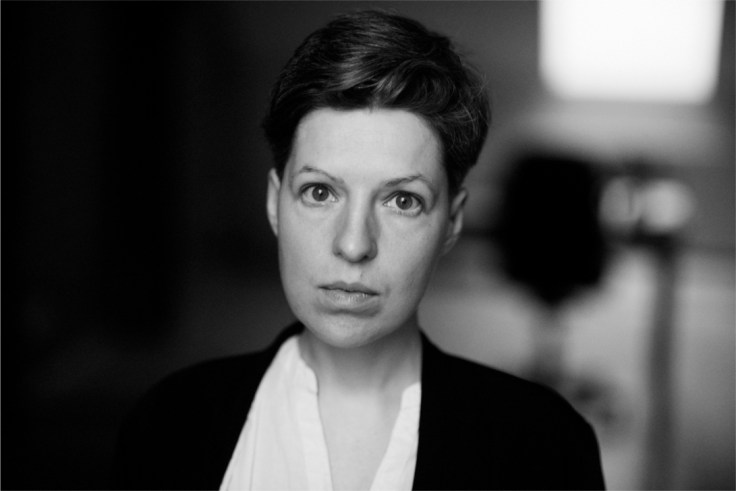
ariel rosé is a poet, essayist, translator, illustrator, activist; author of a book of poems with illustrations published under the name Alicja Rosé Północ. Przypowieści, Znak 2019 (North. Parables) and morze nocą jest mięśniem serca, PIW 2022 (the sea at night is a muscle of the heart). They received several awards and nominations both for their poetry and illustrations. They translate poetry and essays from Spanish, Italian, French, English, Norwegian to Polish and from Polish to English and Norwegian. At the moment, they co-create an international project Both Sides of the Border Face East with Eastern/Central Europe in focus, and with the patronage of Marci Shore. The project is supported by the Fondation Jan Michalski and Borderland Foundation. This year’s edition is dedicated to the war in Ukraine.
/ Thanks to Freddy Fjellheim for proofreading the Norwegian version of this translation.
/
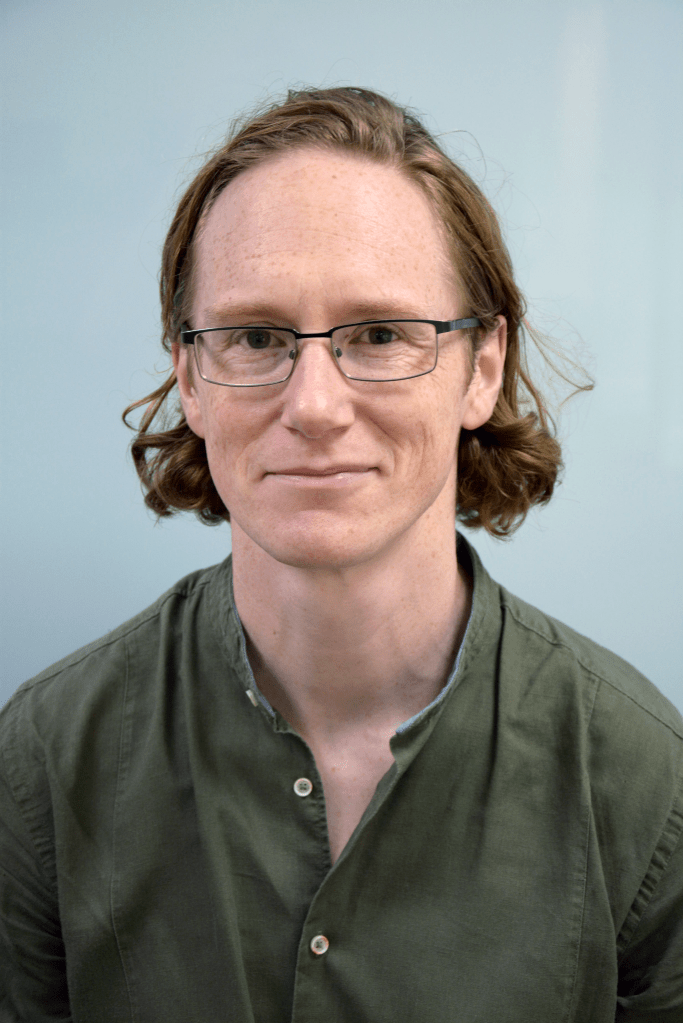
Uilleam Blacker is Associate Professor of Ukrainian and East European Culture at the School of Slavonic and East European Studies, University College London. His research focuses on cultural memory in east central Europe and on Ukraine’s diverse literary heritage. He is the author of Memory, the City and the Legacy of World War II in East Central Europe: Ghosts of Others (2019), co-author of Remembering Katyn (2012) and co-editor of Memory and Theory in Eastern Europe (2013). He has published translations of Ukrainian authors in, among others, The White Review, Words Without Borders and Modern Poetry in Translation, and in several anthologies. His translation of Oleg Sentsov’s Life Went on Anyway was published by Deep Vellum in 2019; his translations of novels by Taras Prokhasko and Maik Yohansen are scheduled for publication with Harvard University Press in 2024. In 2022, Uilleam was the Paul Celan Translation Fellow at the Institute for Human Sciences, Vienna; in 2023, he was a member of the International Booker Prize jury.
/
Published with funding from Norwegian Authors´union and NWCC .

 KLIMAAKSJON / NORWEGIAN WRITERS´ CLIMATE CAMPAIGN // NWCC